
Osteoporosis: The Silent Disease You Can’t Afford to Ignore
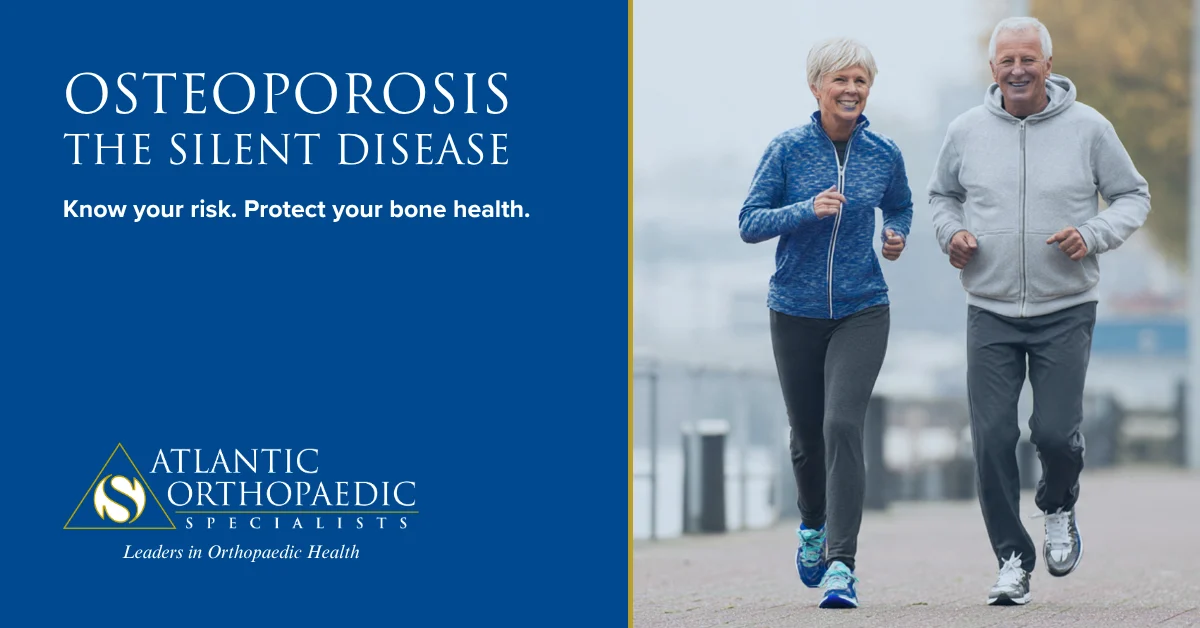
Osteoporosis Often Has No Warning Signs
Osteoporosis is sometimes called a “silent disease” because bone loss can occur gradually without causing pain or obvious symptoms. Many people don’t know they have osteoporosis until they experience a fracture from a relatively minor fall or injury.
That is what makes osteoporosis so important to recognize early.
Our bones are living tissue. Throughout our lives, old bone is removed and new bone is formed. As we age, this balance can change, causing bones to become thinner and weaker. When bone strength decreases significantly, the risk of fractures increases.
The good news is that osteoporosis is preventable and treatable. Knowing your risk and taking appropriate steps to evaluate and protect your bone health can make an important difference.
What Is Osteoporosis?
Osteoporosis is a condition in which bones become less dense and more fragile, increasing the risk of fractures.
It can affect any bone, but fractures most commonly occur in the:
- Hip
- Spine
- Wrist
- Pelvis
A fracture related to weakened bones can have consequences far beyond the broken bone itself. Hip and spine fractures, in particular, can affect mobility, independence, and quality of life.
Why Don’t You Feel Osteoporosis?
Unlike arthritis or an acute injury, osteoporosis usually does not cause pain as bone density decreases.
There may be no warning that bones are becoming weaker.
However, certain changes can sometimes indicate an underlying problem. These include:
- A fracture after a minor fall or injury
- Loss of height over time
- Increasing curvature of the upper back
- Sudden or persistent back pain
- A history of fractures as an adult
A vertebral compression fracture, for example, may occur with relatively little trauma and can sometimes be mistaken for ordinary back pain.
Who Is at Risk?
Although osteoporosis is more common with increasing age, it is not simply a disease of older women.
Risk can be affected by many factors, including:
- Age
- Menopause
- Family history of osteoporosis or hip fracture
- Previous fractures
- Low body weight
- Smoking
- Excessive alcohol consumption
- Physical inactivity
- Certain medications, particularly long-term corticosteroids
- Certain medical conditions
Men can also develop osteoporosis, and their risk may be overlooked because osteoporosis is often associated primarily with women.

How Is Osteoporosis Diagnosed?
One of the most important tools for evaluating bone health is a DEXA or DXA scan, a specialized test that measures bone mineral density.
The results are commonly reported using a T-score, which compares bone density with that of a healthy young adult reference population.
A bone-health evaluation may include more than a DEXA scan. Your healthcare provider may also consider your age, medical history, medications, previous fractures, family history, and other factors that influence fracture risk.
This is important because bone density is only one part of the overall picture.
Can Osteoporosis Be Prevented?
You cannot change every risk factor for osteoporosis, but there are many things you can do to support healthy bones.
Important strategies include:
Get Adequate Calcium and Vitamin D
Calcium provides an important building block for bone, while vitamin D helps the body absorb calcium and supports normal bone metabolism.
A balanced diet is an important foundation, with supplements used when appropriate.
Stay Physically Active
Weight-bearing activity and resistance training can help maintain bone and muscle strength. Balance exercises are also important because preventing falls can help reduce fracture risk.
Don’t Smoke
Smoking is associated with poorer bone health and increased fracture risk.
Limit Excessive Alcohol
Excessive alcohol consumption can negatively affect bone health and increase the likelihood of falls.
Know Your Risk
Understanding your personal risk factors is one of the most important steps you can take.
Don’t Wait for a Fracture
A fracture should not always be viewed as an isolated event. In the right circumstances, a fracture may be the first indication that underlying bone weakness needs to be evaluated.
If you have risk factors for osteoporosis, have experienced a fracture, or have questions about your bone density, then make an appointment with the AOS Bone Health Clinic.
Key Takeaways
- Osteoporosis can develop without symptoms.
- A fracture may be the first sign of significant bone loss.
- Osteoporosis can affect both women and men.
- DEXA testing can help evaluate bone mineral density.
- Fracture risk depends on more than a DEXA score alone.
- Nutrition, exercise, smoking cessation, fall prevention, and appropriate medical treatment can all play important roles in bone health.
- Early evaluation can help identify people at increased risk before a serious fracture occurs.
Frequently Asked Questions
Can osteoporosis be reversed?
Treatment can improve bone density and, importantly, reduce the risk of fractures. The appropriate approach depends on your individual fracture risk and overall health.
Can men get osteoporosis?
Yes. Osteoporosis can affect men, although it is often underrecognized. Men with certain risk factors, including previous fractures, long-term steroid use, or conditions affecting bone health, may benefit from evaluation.
Is osteoporosis preventable?
Not every case can be prevented, but healthy nutrition, resistance and weight-bearing exercise, avoiding smoking, limiting excessive alcohol, preventing falls, and identifying risk factors early can help protect bone health.
Schedule an Osteoporosis & Bone Health Consultation
Concerned about your bone health?
If you have risk factors for osteoporosis, a history of fracture, low bone density, or questions about your future fracture risk, a comprehensive bone-health evaluation can help determine the next steps.
Call 757-321-3360 for questions or to make an appointment.
Schedule an Osteoporosis & Bone Health Consultation with Atlantic Orthopaedic Specialists today.
This information is provided for educational purposes and is not a substitute for individualized medical advice, diagnosis, or treatment. Talk with your healthcare professional about your specific bone-health needs.